Councillor Toolkit
Practical guidance for councillors, candidates and anyone trying to understand how local government really works.

- These are articles that are coming soon.
New Councillors
Starting off as a new Councillor can be daunting. Here are our top articles to help you to understand your new role.
What Does A Local Council Actually Do?
Most people deal with their local council only when something has gone wrong. The bins have been missed. A pothole has appeared. A planning application has gone up next door. A street light is out. Someone needs help with housing. A family is trying to get support for an older
 Adam Hicken
You’ve been elected as a Councillor. Now what?
Getting elected as a councillor is a strange moment. You have probably spent weeks, months, or even years trying to win. You have knocked doors, delivered leaflets, spoken to residents, watched the count, and finally heard your name read out. Then, quite suddenly, the campaign ends and the job begins.
 Adam Hicken
- Your first 100 days as a councillor
- How to prepare for your first committee meeting
- How to build relationships with officers as a new councillor
- How to choose an area to specialise in
- Why you should not try to understand everything at once
How Councils work
Full Council explained
What Is Full Council? Full Council is the main formal meeting of a local council, where all elected councillors come together in one place. It is the closest local government equivalent to a parliamentary chamber. Councillors debate major issues, ask questions, vote on important decisions and set the overall direction
 Adam Hicken
- Cabinet, scrutiny and committees explained (For cabinet-run councils)
- The committee system (For committee-run councils)
- What a council constitution is and why it matters
- How council budgets work
- How council services are funded
- What councillors can and cannot influence
- The difference between policy, operations and casework
Understanding Scrutiny
Understanding Scrutiny Committees: A Practical Guide for Councillors
Scrutiny is one of those parts of local government that everyone says is important, but not everyone explains properly. When you first become a councillor, you may be placed on a scrutiny committee because you have a particular interest, because your group needs someone to fill a place, or simply
 Adam Hicken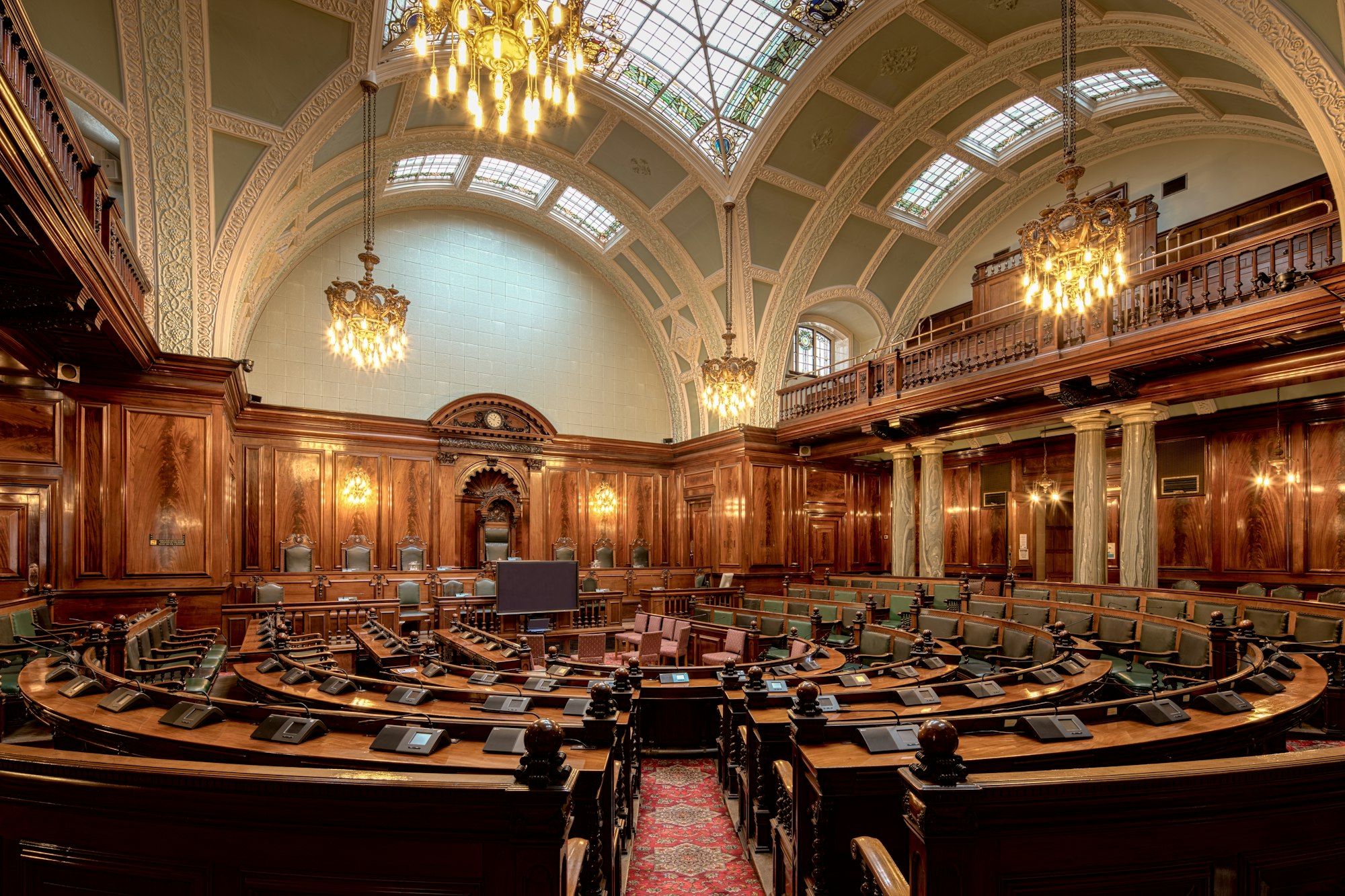
- How to be useful on a scrutiny committee
- How to ask better scrutiny questions
- Why scrutiny is not just about confrontation
- How to read performance data before a scrutiny meeting
- How to chair a scrutiny committee well
- How scrutiny can actually influence policy
Skills for Councillors
How to handle casework
Casework is one of the most important—and least visible—parts of being a councillor. Here is what prospective candidates should expect. People thinking about standing as a councillor often picture council meetings, debates, community events and conversations on the doorstep. These are all part of the role, but much
 Adam Hicken
- How to speak clearly, and ask better questions, and challenge in meetings
- How to build a reputation as a councillor
- Tips on how to build relationships
- How to communicate with residents online
- How to manage your diary as a councillor
- How to avoid burnout in local politics
Situation Guides
- A resident has contacted you about housing disrepair: what should you do?
- A resident reports anti-social behaviour: what can a councillor do?
- Someone asks you to object to a planning application: what should you know?
- A road or pavement issue is reported: how should you handle it?
- A resident is angry with the council: how should you respond?
- You are asked to support a community group: where do you start?
- A safeguarding concern comes to you: what should you do?