How to Target Your Campaign Message


Running a local campaign is not just about having good ideas. It is about making sure the right people hear the right message, in the right way, at the right time. For councillors, candidates and political activists, this matters because local elections are often fought on trust, visibility and relevance. Voters may care about national politics, but when they choose a councillor, they are also asking a very practical question: “Does this person understand my area, and will they do something useful for it?”
A strong campaign message helps answer that question clearly. It gives your campaign focus. It helps volunteers know what to say on the doorstep. It makes leaflets, social media posts, speeches and conversations feel connected rather than random. Most importantly, it helps residents understand why your campaign matters to them.
Targeting your message does not mean saying different things to different people in a cynical way. It means understanding your audience properly and communicating your priorities in a way that connects with their lives.
1. Understand Who You Are Trying to Reach
Before writing leaflets, posting online or knocking doors, you need to understand the people you are trying to speak to. In local government, that usually means understanding the ward, division, town or neighbourhood you want to represent.
Start with the basics. Who lives there? Is it mostly families, older residents, commuters, students, renters, homeowners, or a mix of all of these? Are there large estates, village communities, new housing developments, town centres, industrial areas or rural patches? Each of these places may have different concerns.

A campaign in a suburban ward with lots of older homeowners might focus heavily on crime, speeding, road repairs, green spaces and access to health services. A campaign in a younger, more transient area might need to talk more about housing standards, public transport, employment, litter, rents and local facilities. A village campaign may be about protecting identity, improving road safety, resisting overdevelopment and keeping services accessible.
You should also understand voting behaviour. Some areas have long-standing political loyalties. Others are more volatile. Some residents vote in every election. Others only vote when they feel angry, inspired or directly affected. Local election turnout can be low, so knowing who is likely to vote is important. However, do not confuse likely voters with the only people who matter. Good local campaigns also build long-term trust with people who may not vote today but could become supporters in the future.
The best source of insight is often conversation. Doorstep canvassing, community meetings, local Facebook groups, casework, petitions and resident surveys all help you build a picture of what people care about. Pay attention to the exact words residents use. If people keep saying “nobody listens”, “the area is being forgotten”, or “we pay our council tax and get nothing back”, those phrases tell you something important. They reveal not just the issue, but the feeling underneath it.
You should also look for differences within the same area. A ward is rarely one single community. One estate may be worried about anti-social behaviour. Another part may be focused on planning applications. A row of shops may be concerned about parking and trade. Parents may care most about school places, playgrounds and safe crossings. Older residents may worry about bus routes, pavements and feeling safe after dark.
A targeted campaign message starts with this kind of local listening. You are not simply asking, “What do I want to say?” You are asking, “What are people already concerned about, and how does my campaign respond?”
2. Choose a Clear Core Message
Once you understand your audience, you need to decide what your campaign is really about. This is where many local campaigns become too broad. Candidates often want to talk about everything: roads, bins, crime, housing, schools, parks, council tax, the NHS, the economy, national politics and community pride. All of these may matter, but if you try to say everything at once, voters may remember nothing.
A good campaign message needs a centre of gravity. It should be simple enough for a resident to repeat after a short conversation. For example: “X is standing up for safer streets and cleaner neighbourhoods.” Or: “Our campaign is about getting the basics right for local families.” Or: “We need a councillor who will listen, act and keep residents updated.”
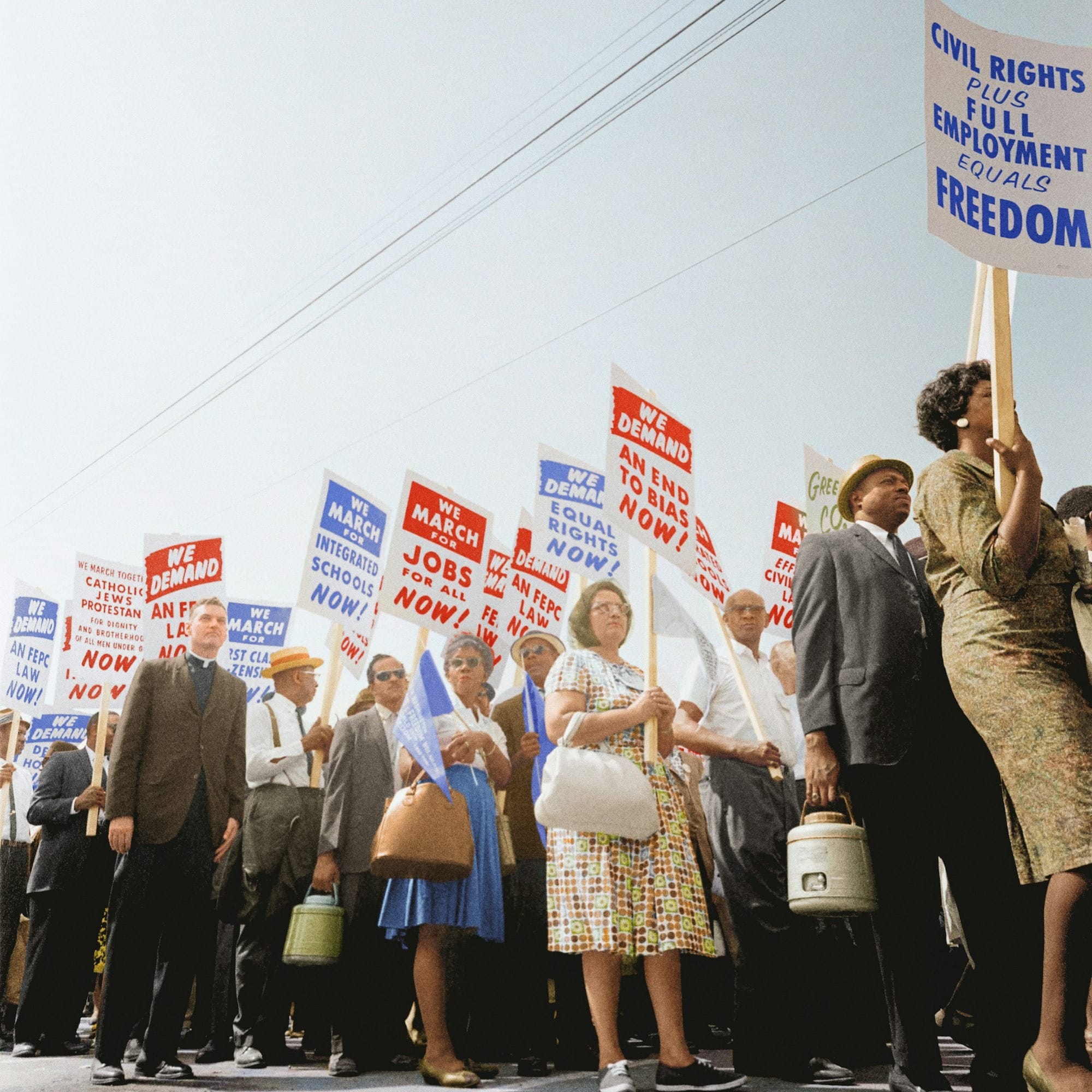
The best messages usually combine three things: a problem, a promise and a sense of identity.
The problem is what residents recognise. It might be neglected roads, weak enforcement, poor communication, unsafe streets, lack of youth provision, or a council that feels distant from ordinary people.
The promise is what you will do about it. This should be practical and believable. In local government, voters are often sceptical of grand promises. They know councillors cannot fix everything overnight. A message such as “I will personally end crime” is not credible. But “I will push for stronger enforcement, better reporting and regular updates on local action” feels more grounded.
The identity is why you are the right person or why your campaign fits the area. This might be about being local, experienced, independent-minded, hard-working, community-focused, or rooted in voluntary work. It should be authentic. If you are a new candidate, do not pretend to have years of council experience. Instead, talk about energy, listening and bringing a fresh focus. If you are an experienced councillor, do not rely only on your title. Show what that experience has delivered.
A useful test is whether your message can survive being shortened. Residents will not remember a manifesto paragraph. They may remember a phrase. “Cleaner streets, safer communities, stronger local voice” is simple. “A long-term strategic approach to place-based neighbourhood improvement” might be true, but it does not work on a doorstep.
This does not mean your campaign should be simplistic. You can have detailed policies behind the message. But the public-facing message needs to be clear. Think of it as the front door into your campaign. Once people are interested, you can invite them further in.
You should also avoid building your whole message around yourself. Personal credibility matters, but residents care most about what your work means for them. Instead of saying, “I have worked hard for years and attended many meetings”, say, “I have helped residents get long-standing problems fixed, and I will keep making sure our area is heard.” The first is about effort. The second is about impact.
3. Adapt the Message for Different Audiences and Channels
Once you have your core message, you need to adapt it. The same campaign theme can be expressed differently depending on who you are speaking to and where the message appears.
On the doorstep, your message should be conversational. You are not delivering a speech. You are opening a discussion. A good doorstep message might be: “I’m speaking to residents about local issues like speeding, litter and anti-social behaviour. Are those things affecting you around here?” This invites the resident to talk. It also signals your priorities without overwhelming them.

In a leaflet, your message needs structure. Use a strong headline, a short explanation, and a few specific pledges or examples. Local leaflets work best when they feel recognisable. Use real place names, real issues and clear action. “Residents on High Street have raised concerns about parking and dangerous driving” is stronger than “transport infrastructure remains a concern”. The more local and specific the wording, the more credible it feels.
On social media, your message needs to be immediate and human. A post about a local issue should usually explain what has happened, why it matters, what you have done or will do, and how residents can respond. Photos help, especially when they show the actual place being discussed. However, avoid turning every post into a complaint. A good campaign presence should include action, updates, community pride, useful information and thanks to residents or volunteers.
For public meetings or hustings, your message should be disciplined. These settings can tempt candidates into long answers. Prepare a few key lines that return to your main theme. If your campaign is about safer, cleaner neighbourhoods, then answers about policing, youth services, planning, roads and community groups can all connect back to that theme. This helps you sound focused rather than scattered.
Different audiences may need different emphasis. Parents may want to hear about school safety, parks and youth activities. Older residents may respond to messages about pavements, buses, crime and access to services. Small business owners may care about parking, town centre footfall, business rates and enforcement. Community volunteers may want to know whether you understand the value of local groups and will help them navigate the council.
The key is to adapt without losing your core. You are not inventing a new campaign for each group. You are showing how your main priorities affect them.
You should also think about tone. Some campaigns are too angry. Anger can mobilise people, especially when a community feels ignored, but constant outrage can become tiring. Other campaigns are too bland, full of safe phrases that do not connect emotionally. The strongest local tone is usually firm, practical and rooted. It says: “I understand the problem, I am taking it seriously, and I will work with residents to get something done.”
Avoid jargon wherever possible. Local government is full of technical language: scrutiny, cabinet, enforcement powers, highways schedules, planning policy, Section 106, community safety partnerships. Sometimes these terms are necessary, but they should be explained in plain English. Residents should not need council experience to understand your campaign.
4. Keep Testing, Listening and Refining
Targeting your campaign message is not something you do once at the beginning and then forget. A good campaign keeps learning.
As you speak to residents, pay attention to what gets a reaction. Which issues make people stop and talk? Which phrases do they repeat back? Which posts get meaningful comments rather than just likes? Which leaflet headlines lead to doorstep conversations? Which concerns appear again and again across different streets?
This does not mean chasing every passing issue. Campaigns need consistency. But it does mean being alive to what residents are telling you. If you begin a campaign thinking the main issue is council tax, but every doorstep conversation is about anti-social behaviour and poor street cleaning, your message may need to shift. If you think people want ideological arguments but they keep asking who will fix the alleyway, listen to that.
You should also test whether your message is believable. A promise may sound good in a campaign meeting but fall flat with residents. If people keep saying, “Can you actually do that?” then you may need to be clearer about the powers of a councillor. Local government candidates should be honest about what they can directly control, what they can influence, and what they can campaign for.
Credibility is one of the most important parts of local campaigning. It is better to say, “I cannot promise this will be fixed tomorrow, but I will raise it, follow it up and keep you updated” than to make a promise that collapses later. Residents often forgive limits. They are less forgiving when they feel misled.
Your message should also be supported by evidence. If you say you are active locally, show examples. If you say you listen, publish survey results or resident feedback. If you say you get things done, share updates when problems are reported, chased and resolved. If you are a new candidate, show your community involvement and your willingness to learn. If you are an existing councillor, show outcomes rather than just meetings attended.
Finally, remember that message discipline matters most when the campaign becomes busy. As polling day approaches, there will be pressure to respond to every attack, copy every opponent, and comment on every issue. Some response is necessary, but do not let your campaign become defined by other people. Keep returning to your core message. Repeat it in different ways. Put it on leaflets, in videos, on social media, in speeches and on the doorstep.
A targeted message is not a slogan printed once. It is the thread running through the whole campaign.
Local government campaigns are at their best when they feel close to people’s lives. Residents want to know that their street, estate, village, town centre or neighbourhood matters. They want representatives who notice the details, understand the frustrations and can work through the system without disappearing into it.
To target your campaign message well, begin by listening carefully. Choose a clear and believable theme. Adapt it for different people and different channels. Then keep testing and refining it as the campaign develops.
The aim is not just to win attention. It is to earn trust. And in local government, trust is often built one conversation, one issue and one useful update at a time.